
Cultural insights into gambling How traditions shape the experience
Historical Perspectives on Gambling
The roots of gambling can be traced back to ancient civilizations, where games of chance were intertwined with cultural and religious practices. In many societies, gambling served not only as entertainment but also as a means to predict the future or appease deities. For example, dice games in ancient Mesopotamia were often linked to rituals, reflecting the belief that chance was influenced by divine forces. In this context, you can find a great casino with credit card options that cater to diverse preferences. This historical context shapes modern gambling practices, as traditions continue to influence how games are played and perceived.
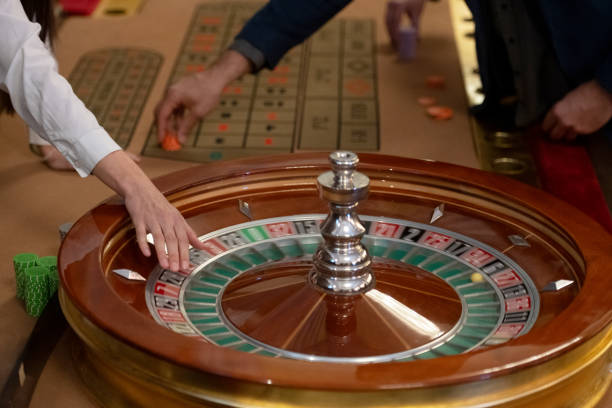
Additionally, specific gambling games have become culturally significant in various regions. The game of Mahjong, originating from China, is not just a pastime but a social event deeply embedded in family gatherings and cultural celebrations. Understanding these historical connections provides valuable insights into why gambling holds different meanings across cultures today.
Regional Variations in Gambling Traditions
Cultural nuances significantly shape the gambling landscape across the globe. In countries like Las Vegas, gambling is openly celebrated, with extravagant casinos attracting millions of visitors. In contrast, nations like Japan hold a more cautious view of gambling, where it is often associated with crime and social stigma. Such distinctions affect not only the popularity of various games but also the regulatory frameworks governing them.
Moreover, traditional games often differ in gameplay and social dynamics. For instance, in many Native American cultures, traditional games serve not only as entertainment but also as a way to foster community ties and cultural identity. This regional diversity highlights the importance of cultural context in understanding the gambling experience.
The Role of Rituals and Superstitions
Rituals and superstitions are inherent to the gambling experience, deeply rooted in cultural beliefs. Many gamblers engage in specific behaviors—such as carrying lucky charms or following particular routines—believing these practices will influence their chances of winning. In Italy, for instance, the number 13 is considered lucky, leading to unique betting patterns and strategies. These cultural beliefs can enhance the overall gambling experience, blending excitement with personal significance.
Furthermore, rituals surrounding major gambling events, such as the Super Bowl in the United States, showcase how traditions evolve within popular culture. These gatherings become communal experiences, where the act of betting transforms into a shared celebration, further reinforcing the cultural importance of gambling.
Influence of Technology on Gambling Practices
The advent of technology has dramatically altered the gambling landscape, making it more accessible and diverse. Online casinos and mobile gaming platforms have emerged, allowing individuals from various cultural backgrounds to engage with gambling in new ways. However, this shift also raises questions about how technology intersects with traditional practices. For example, while online slots may gain popularity globally, the cultural significance of traditional games remains paramount in many communities.
Additionally, technology enables the preservation and promotion of cultural gambling practices. Virtual platforms can showcase traditional games, helping to maintain cultural heritage while catering to modern audiences. This blend of technology and tradition illustrates the evolving nature of gambling experiences across cultures.
Conclusion and Cultural Insights into Gambling
The exploration of gambling through a cultural lens reveals a rich tapestry of traditions, beliefs, and practices. From historical perspectives to regional variations, the interplay between culture and gambling shapes individual experiences and collective identities. Understanding these cultural insights not only enhances one’s appreciation for gambling as a form of entertainment but also highlights the diverse ways in which societies engage with chance.
In summary, the significance of gambling extends beyond mere chance; it reflects cultural values, societal norms, and historical narratives. As the gambling landscape continues to evolve, acknowledging these cultural insights will enrich the experience for players worldwide.
